A colossal epic film like this that tries to depict the life and glory of Julius Caesar, must have a variety of scenery appropriate to the film's hero. This includes the Senate and its conspirators..or .. strange places beyond Rome full of barbarians that must fall under the Rome yoke. Let's not forget the sequences depicting the masses mentioned before.. or.. the human side of Caesar and his troublesome relationship with his son Brutus.
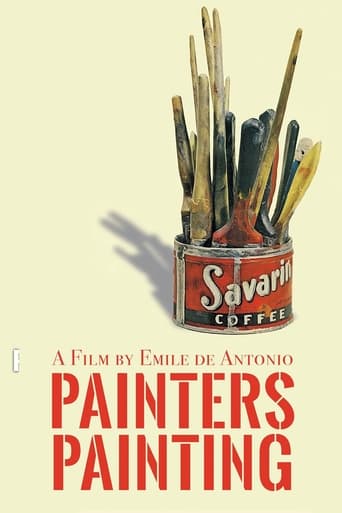
Painters Painting: The New York Art Scene 1940-1970 is a 1972 documentary directed by Emile de Antonio. It covers American art movements from abstract expressionism to pop art through conversations with artists in their studios. Artists appearing in the film include Willem de Kooning, Jasper Johns, Andy Warhol, Robert Rauschenberg, Helen Frankenthaler, Frank Stella, Barnett Newman, Hans Hofmann, Jules Olitski, Philip Pavia, Larry Poons, Robert Motherwell, and Kenneth Noland.
Emilio Pascual, a historical figure of Andalusian cinema from the early 1900s, appears in today's Malaga with the mission of bringing the first documentary filmed in Andalusia to its first screening.
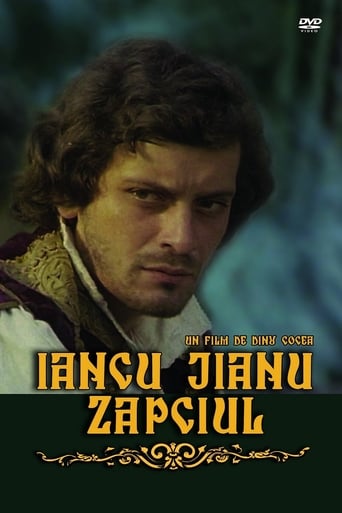
The movie details the struggle of Iancu Jianu as he's torn between joining the struggle of the poor peasants from which he came from and being on the other side of the law working for the rich.
When the minister of Palnadu opens the temple doors for all the castes in the kingdom, disputes arises in the kingdom leading to war.
A discovery of the incredible musical journey of Yannis Spanos, setting off from small-town Kiato to major collaborations in Paris, and ultimately his huge success in Greece. With rare documents and interviews and through the eyes of a devoted fan, we explore why Spanos chose to stay behind the scenes, letting his music steal the spotlight.
Almost 1 million people in 22 countries carried out the unprovoked murder of 11 million innocent men, women and children. The Allies knew where a great many of the murderers could be found - Germany, Austria, Italy, the UK, the USA, Canada, Australia, and numerous countries in South America. The Allies unanimously agreed to prosecute those responsible when they drew up The London Agreement in August 1945, but, after the late 1940s, these very same Allies did almost nothing. Why were so many were actively permitted to get away with their crimes?
Major Kemal is the aide-de-camp to Halil Pasha, the Minister of War. One day, Pasha's daughter Şükran and her friends play a prank on him. Kemal and Şükran meet because of this prank and eventually fall in love. Şükran and Kemal promise to love each other as long as the lamp at Yeşil Köşk burns. However, Interior Minister Osman Pasha wants to marry Şükran to his son. When Kemal learns of this, he leaves for the Arabian Peninsula to join the Yemen War, which has just broken out.
A 1978 travelogue showing the performances of the Soviet Jewish Theater on tour throughout the United States. The actors sing and dance and recite Yiddish poetry to a most enthusiastic American public.
The problems raised by the project to eliminate a secondary railroad line in Provence.
A family reflects on what they are grateful for, even though they cannot afford a turkey for their Thanksgiving dinner.
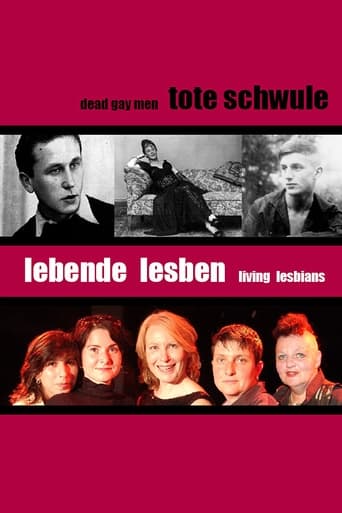
As a result of the Holocaust and later, AIDS, the male homosexual community has sustained bitter losses and, according to Praunheim, lesbian women have now placed themselves at the head of the so-called queer movement. The female protagonists in the film represent two different generations; they also incorporate the past and present status of homosexuals in society.
In the hands of the peasant, the countryside becomes a productive space; everything around it bears fruit, not only the land, but also the cultural expressions born from its most intimate experiences, which are expressed through tunes and songs until they turn into celebration.
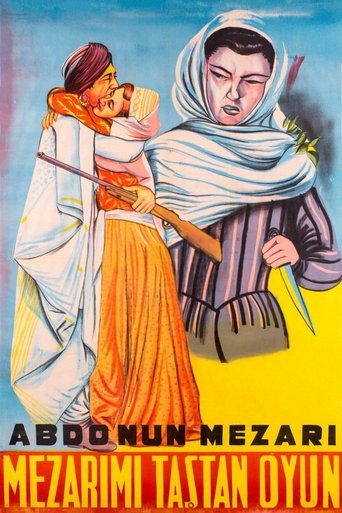
The film tells the story of Abdo, a man who loves fun and romance, who is sent to prison for a murder he did not commit. Abdo's only goal is to clear his name, reunite with his beloved, and take revenge.
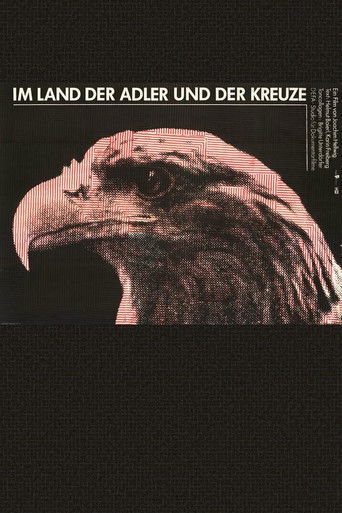
In this documentary, Joachim Hellwig uses partly unpublished footage to shed light on a dark chapter of German history and shows the entanglements between the politicians' claims to power and the interests of industry and business in Germany from the beginning of the First World War to the end of the Second World War (1914 to 1945). The Nuremberg War Crimes and Industrial Trials served as the basis for this documentary.
Activate your FREE Account!
You must create an account to continue watching