The plot is based on the fate of the artist, reflected in art, which always accompanies people's lives, as well as dreams, pain or joy...
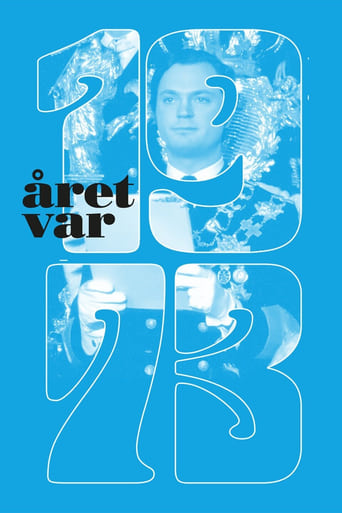
At the end of August 1973, a robber takes hostages at the Kreditbanken at Norrmalmstorg. A week or so later, on September 15, King Gustaf VI Adolf dies in Helsingborg's hospital and Sweden gets a new king: Carl XVI Gustaf. In Chile, the military takes power and the popularly elected president Salvador Allende is overthrown. That and much more in this column about the year 1973.
Gessler, the Rütli Oath, the apple shot, the Hollow Lane: the deeds of Swiss national hero William Tell in his fight against tyranny and violence in 1291. Based on Friedrich Schiller's drama and Aegidius Tschudi's chronicle.
Hemen Gupta's 'Bhuli Nai' (1948) was set against the infamous 1905 Partition of Bengal by Lord Curzon.
Ships from Europe brought Christianity to the shores of Japan in 1549. For decades the seeds of faith grew under the watchful gaze of the Shogun, but the fear of foreign influence eventually gave rise to persecution. By 1624, Japanese Christians enjoyed only a few more years of peace. Jinbei Mauda comes to a point in his journey were he has to choose between his family or faith. Jinbei Masuda, a Japanese Christian of the samurai class who draws his strength from his faith, family and kenjitsu (Art of the Sword). However, he is caught up in the shogun's policy of religious persecution and must choose between his loved ones or his God.
A chilling tale about kids playing in a bombed-out Warsaw courtyard on the day of Stalin's death, while their parents are away at the church or a memorial procession.
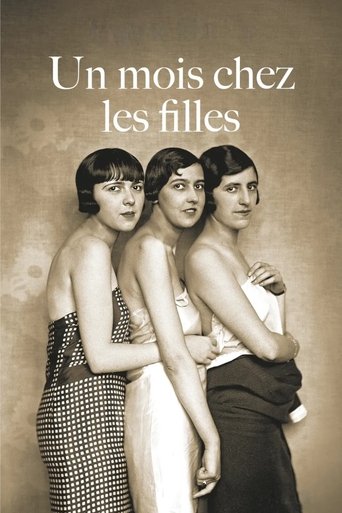
The French female pioneer of immersion journalism, Maryse Choisy, who infiltrated in 1928 the prostitution underworld of Paris. Posing as a chambermaid, a lesbian bar dancer and more, she wrote a very successful and scandalous book about that avant-garde experience, and changed her mind about this world and these women's difficult condition.
Medieval art treasures seized by the Nazis go missing at the end of World War II. Were they destroyed in the chaos of the final battles? Or were these thousand-year-old masterpieces stolen by advancing American troops? For over forty years, the mystery remained unsolved. A true detective story, "The Liberators" follows a dogged German art detective through the New York art world and military archives to the unlikeliest of destinations: a small town on the Texas prairie. Featuring interviews with Willi Korte (Portrait of Wally) and Texas attorney Dick DeGuerin, the film raises intriguing questions as to the motivations of the art thief and the whereabouts of the items that, to this day,
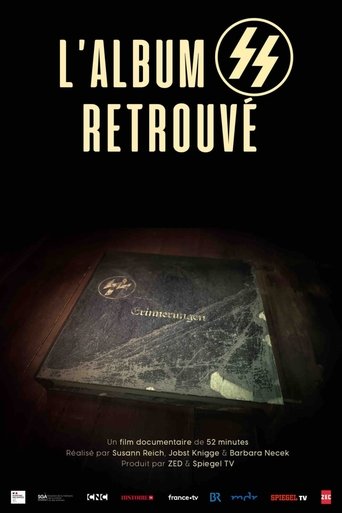
In 2016, an album containing 250 previously unseen photos of Nazi officials was discovered in the USA by Stephan Hördler, a prominent Holocaust historian, who immediately understood the album's inestimable value. The album brings together photographs of a "group of friends," all from the same region of Germany, all of whom became SS men. From 1928 to 1943, the photo album allows us to follow their journey. Hördler conducted the investigation, comparing the photos in the album with other, better-known ones, the faces of these men with those of concentration camp officials, and ultimately revealed that it was at Lichtencburg that these young men were trained, a "school" for future camp executioners, and the bonds of camaraderie and informal network that would allow them to help each other, even after the war.
The story tells of the events that befall a man living during the Tulip Era due to his lust for power. Kuyucubaşı Şaban Çelebi purchases a tulip from an Indian merchant that rejuvenates its owner over the years. Dreaming of living for many years thanks to this tulip, Çelebi seeks to have İbrahim Pasha killed and take his place. When news of the rejuvenating tulip spreads, Şaban Çelebi is arrested and brought to the palace. They attempt to seize his tulip, but it is stolen. After being pardoned, Çelebi sets out to find his tulip and the Indian merchant.
Simon Callow's one-man show about Charles Dickens.
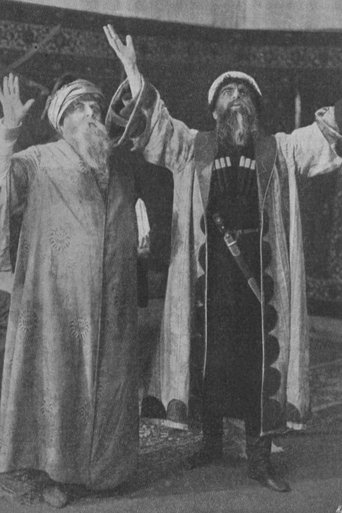
The big military history film was made at the same time as Drankov's film, which caused some conflict.
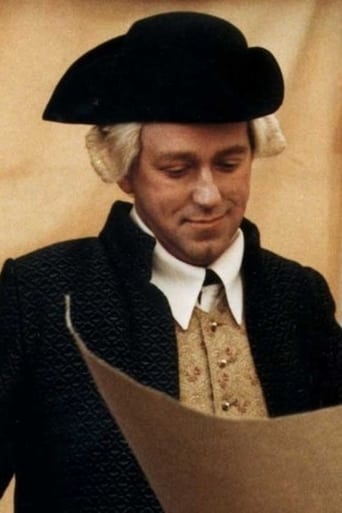
Sweden in the 1780s. At the court the nobility lords and ladies dance, love, intrigue and compete for the King's favor. To this Stockholm arrives Rutger Macklean, nobleman and an officer. With a notion of an extensive re-organisation of the agricultural lands and the farm properties.
In 1987, colour slides were found in a second hand book store in Vienna which turned out to be a collections of photographs taken in the Lodz ghetto by the Nazis' chief accountant. Walter Genewein boosted productivity in the ghetto while keeping costs down, a policy which led to the Lodz ghetto surviving much longer than any other in Poland. He recorded what he considered to be the subhuman aspect of the Jewish workers and he was concerned only with the technical quality of his photos. Director Dariusz Jabłoński's prize-winning film uses the photographs in a different way. He recreates for us the suffering of inmates, giving a compassionate picture of that it was like to be trapped in the ghetto. (Storyville)
In 1970, a group of young Puerto Rican activists took over a decrepit hospital in New York City, launching a battle for their lives, their community, and healthcare for all.
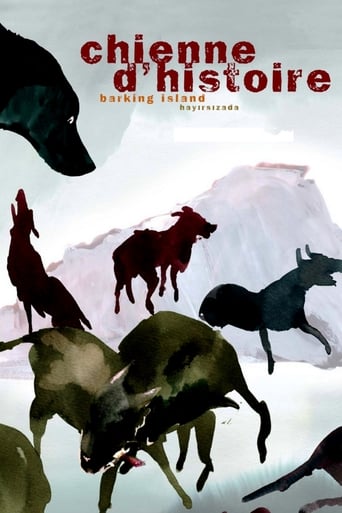
Constantinople, Ottoman Empire, 1910. There are too many stray dogs on the streets, so the government decides to deport thousands of them on a desert island, off the coast of the city.
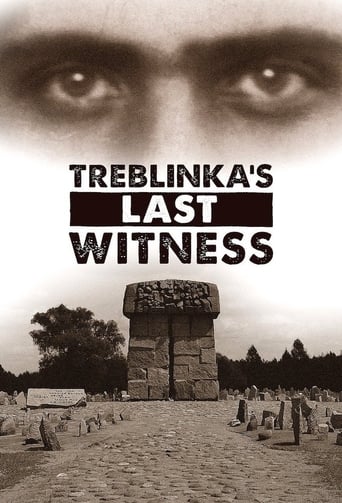
Samuel Willenberg and Kalman Taigman, the last two survivors of the Nazi extermination camp Treblinka, recount the horrors they experienced during the war and talk about their lives after their escape in a prisoner uprising in 1943. Willenberg would go on to become a hero of the 1944 Warsaw uprising while Taigman would be called as a witness during the infamous trial of Adolf Eichmann.
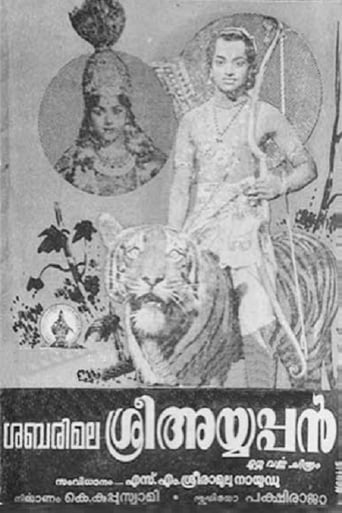
King Rajasekhara, the king of Pandalam, finds a child on the banks of River Pampa during one of his hunting expeditions. A saint who appears there advises the king to adopt this child name him as Manikantan
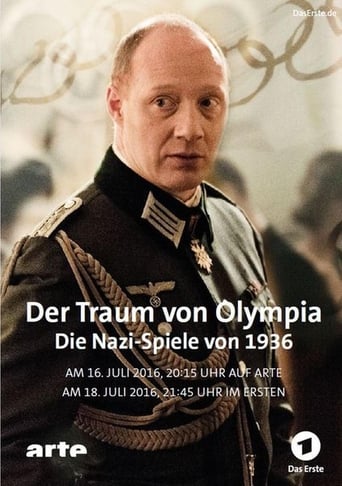
Leni Riefenstahl's flamboyant Nazi aesthetics shaped the public image of the 1936 Olympics. Never before had sports and politics been mixed. Through archive photos and reconstructions, we get a closer look into the historical propaganda show.
Activate your FREE Account!
You must create an account to continue watching