Based on a poem by Marie Jacobs, the animated short 55 Socks, by Oscar-winning director Co Hoedeman, pays tribute to the ingenuity of the Dutch people during a dark period of their history - the winter of hunger of 1944-45. It's the closing months of the war in occupied Holland and some women unravel a beautiful bedspread in order to knit 55 socks to barter for food. Reaching back into his childhood memories, Hoedeman has made a simple, poetic film of rare beauty.
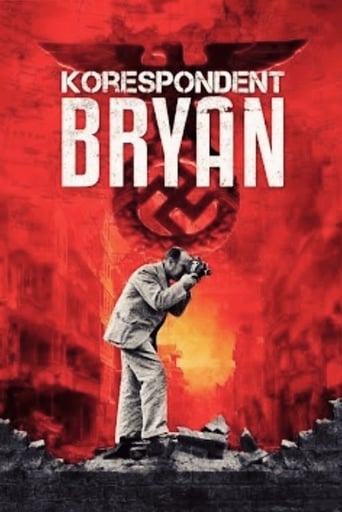
The film is based solely on footage shot in Warsaw in 1939 by Julien Hequembourg Bryan. This American filmmaker and photographer documented life in Poland, the Soviet Union and Nazi Germany between 1935 and 1939. Following the outbreak of the Second World War, he arrived in Warsaw, where he shot a number of films documenting the city under siege, and is said to be the only foreign correspondent in the Polish capital at the time. Bryan also took the first colour photographs of wartime Warsaw.
Theodore Ushev’s acclaimed 20th century trilogy concludes with this brilliant fusion of 3D and Russian constructivist-styled animation. Recycling elements of surrealism and cubism, this animated short by Theodore Ushev focuses on the relationship between art and war. Propelled by the exalting “invasion” theme from Shostakovich’s Leningrad Symphony (No. 7), the film presents imagery of combat fronts and massacres, leading us from Dresden to Guernica, from the Spanish Civil War to Star Wars. It is at once a symphony that serves the war machine, that stirs the masses, and art that mourns the dead, voices its outrage and calls for peace.
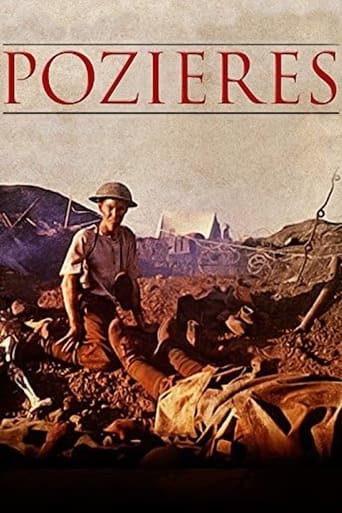
A captivating step back in time, Pozieres explores the small village in Northern France which, during the Great War in 1916, was the setting of one of the bloodiest battles in history, a twentieth century tragedy. The village was stormed and captured by Australians and became key to the success of the Battle for the Somme. But in less than seven weeks they suffered 23,000 casualties.
A documentary that traces the lives of men and women persecuted by the Third Reich because of their sexual orientation. Beginning with the social and political context of the 1920s, when European society still "tolerated" homosexuality, it details the mechanisms of repression and brings to life the hell experienced by the victims in the concentration camps. It also recalls the long road traveled by the victims to obtain the decriminalization of homosexuality and recognition of the harm suffered during this dark period in history. While the film traces the martyrdom of homosexuals and lesbians, it does not fail to place this story in a wider perspective and to bring together in a single memory all the victims of Nazi cruelty.
Johnny is an Iraq war veteran who wrestles with post traumatic stress (PTSD) and the transition to civilian life. He is tormented by an incessant hyper vigilance and insomnia, and the lingering questions of his past actions in combat.
The film portrays a different dimension of the political uprising which happened in the north of Iraq(Kurdistan) in 1991, the political movement led to separate the Kurdish region from Iraq and liberation from the former Iraqi regime. The film contains the idea that the revenge mentality can be avoided under any circumstances despite a long-term dictatorial era.
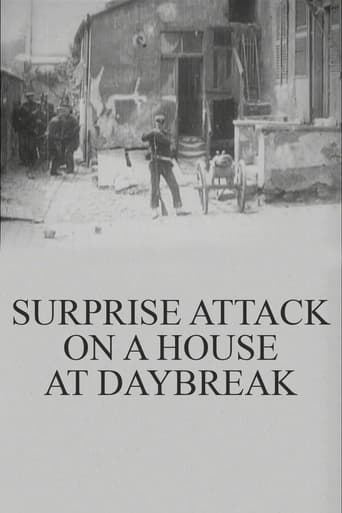
Soldiers ambush a house. This is the Alice Guy version, not to be confused with the less accessible Lumiere of the same title from the same year.
Inside a museum, nowadays. A diorama represents two young soldiers in the trenches. All of a sudden, we are thrown into the diorama: the immobile soldiers come to life, there is terror on their faces – the camera dances around them – explosions, chaos, fog: everything flies about in the air. With every gunshot, they shudder and curl up
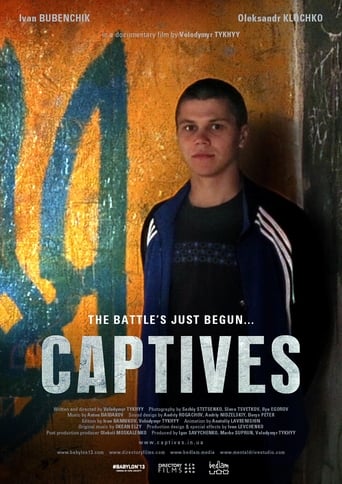
The search for a government soldier taken captive on February 20, 2014 in Kyiv takes protester Sashko to the front lines on the East of Ukraine. There he meets Ivan, a Ukrainian volunteer harbouring a secret that could undermine a fragile cease-fire…
In times of conflict, a companion can be the final thread linking one to human connection. In Call of Duty: Warzone, communication is fractured, making it even harder to truly know those you play with. Dialogue is just a series of terse exchanges of orders and instructions; everything revolves around the game, everything is subsumed by war. Forming a meaningful connection with an anonymous player seems nearly impossible. In The Zone, the protagonists confront this challenge, pushing beyond the fleeting interactions dictated by random matchmaking. They seek to reclaim their humanity, engaging with pressing themes — religion, terrorism, and representation — subtly embedded in the game’s mechanics and geography.
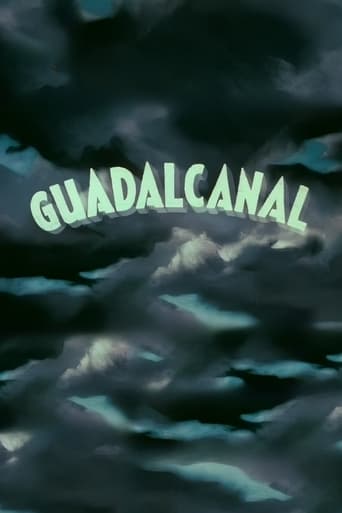
A stop-motion animated account of the 1942 Battle of Guadalcanal in World War II. Preserved by the Academy Film Archive in 2004.
Documentary short subject depicting the battle for the island of Rendova, a vital part of the American campaign against the Japanese in World War II.
An unfiltered look in to the lives of 3 characters surviving amongst the most recent cycle of conflict in the Democratic Republic of Congo, otherwise known as the M23 rebellion.
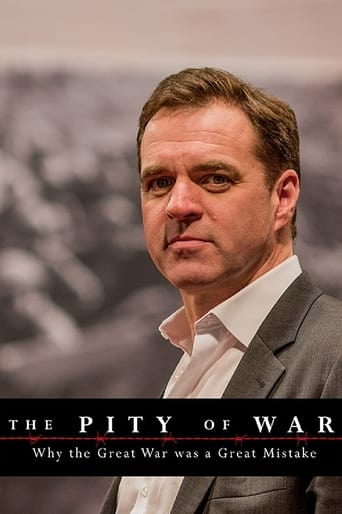
Professor Niall Ferguson argues that Britain's decision to enter the First World War was a catastrophic error that unleashed an era of totalitarianism and genocide.
Activate your FREE Account!
You must create an account to continue watching